


Author: Sarah Laskow / Source: Atlas Obscura
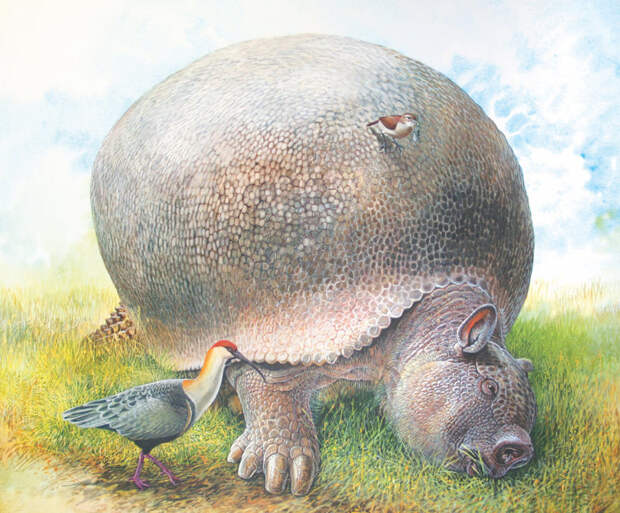
Back in 1834, in southern Patagonia, Charles Darwin found a set of fossils that he just couldn’t explain. He thought that the bones might have belonged to a mastodon.
Richard Owen, a contemporary of Darwin’s and an anatomist, had a different idea. In his view, the creature, now extinct, was about the size of a horse… or a camel… or a llama? He suggested the name Macrauchenia, the “long llama.”The story of Macrauchenia only became more complicated as more fossils were found. Its skull indicated that it had a proboscis of unknown size, like a tapir’s or maybe an elephant’s. This creature had lived in South America, which was isolated enough to make fitting native fauna into the larger family tree of life difficult at time. It wasn’t until 2017 that DNA tests revealed that Macrauchenia’s ancestors had been related to the branch with rhinos, tapirs, and horses.
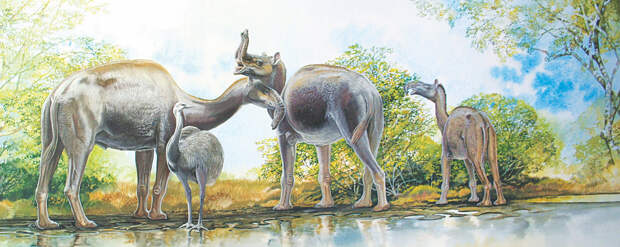
These are the mysteries of megafauna, animals that lived not so long ago in geologic time, but far enough in the past that we don’t know too much about them today. In a new book, End of the Megafauna, the paleomammalogist Ross…
The post What in the World Was a Key-Footed Glyptodon? appeared first on FeedBox.