


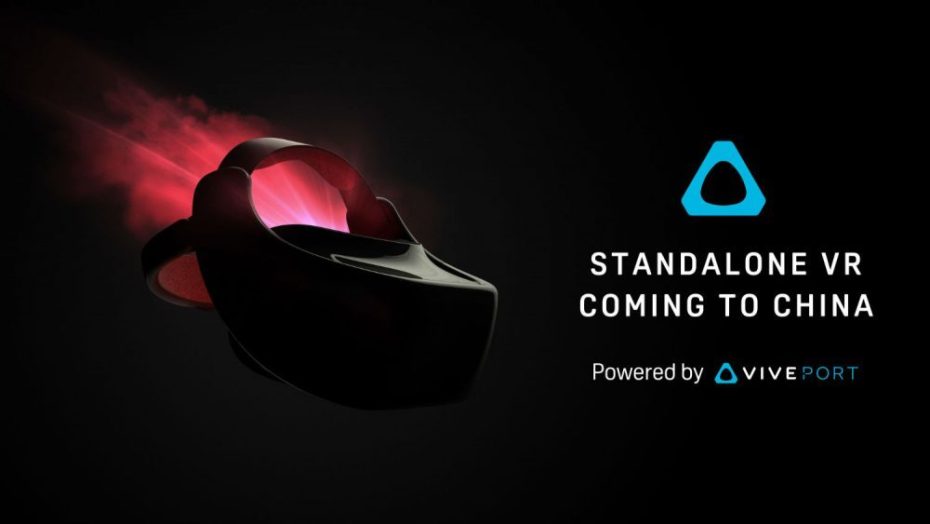
Earlier this year HTC became an official partner with Google in producing a Daydream-based standalone VR headset under the Vive brand. Today, HTC announced it is producing a similar device for the Chinese market powered by Qualcomm’s Snapdragon 835 chipset.
It looks like it will access HTC’s storefront, called Viveport, to get to virtual worlds rather than Google Play.These standalone systems are designed to be far more convenient than Rift and Vive because they don’t require separate hardware like a phone, PC or dedicated external tracking systems to operate. It is unclear, however, how compelling the virtual worlds will be that you can visit with these standalones.
Where are my hands?
What’s missing from both standalone headsets bearing the Vive brand is Valve’s SteamVR and all that comes with it. Critically, how people will interact with virtual worlds in these standalones is still unclear.
GameFace Labs is working on a cross-over device that is aimed at accessing content from multiple storefronts including Google Play and Steam so that owners can visit a broader selection of available virtual worlds, but the device won’t be available till late 2018 at the earliest. Intel earlier this year showed a standalone aiming for release late this year that offered limited and awkward hand controls and it isn’t clear what virtual worlds would be accessible through the headset. Facebook is working on at least two different standalones — one at a low end that could presumably access Gear VR-compatible virtual worlds aiming for release…
The post HTC adds a standalone Vive VR headset for China appeared first on FeedBox.