


Author: Carrie Kirby / Source: Wise Bread
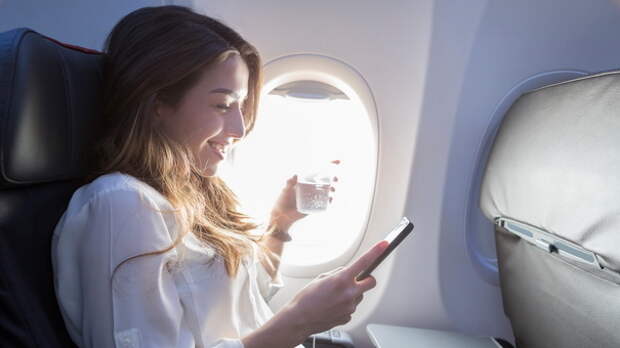
Sitting still on a jet for an 11, 14, or even 16-hour flight is an endurance sport. Just like running a marathon, it’s something you have to train and plan for. It’s also kind of like spending the day in the desert, miles from civilization, because although there are a few things your flight attendant will bring you if needed, it’s not like you can pop down to the corner store for anything you forgot to bring.
You’ll mostly be left to survive using your wits and your carry-on bag. So it pays to be prepared.1. Talk to your doctor about deep vein thrombosis
DVT is a potentially fatal blood clot that sometimes forms in the legs or pelvis, and sitting still for hours on a flight can increase the chances of it happening. If you’re worried about this, especially if you have risk factors such as smoking, pregnancy, or obesity, talk to your doctor about precautions. They might recommended compression stockings.
Even if you don’t have risk factors, look up some in-flight stretches and exercises to get your blood flowing. And make sure to get up and walk around periodically, even if you’re in a middle seat.
2. Assemble your life support system
There are lots of must-have items for your carry-on bag, but seriously, what you put in that bag is what you have to keep you comfortable, sane, and alive for the next half-day or more. You don’t want to be stuck halfway through a 13-hour flight without a product or medication that you normally rely on.
Most importantly, pack extras of any prescription medications and over-the-counter drugs you might need. I always travel with ibuprofen for those cabin pressure headaches, and melatonin to help me fall asleep at an appropriate time for my destination time zone.
A lot of people consider a decongestant helpful as well. The Aerospace Medical Association also recommends a nasal spray and eye drops for keeping your nose and eyes comfortable in the dry cabin air.Then, comfort and hygiene supplies: For me, extra lip balm and a 3 oz. container of my go-to (fragrance free) hand lotion are requirements. A pack of tissues, extra sanitary products, and a couple of adhesive bandages are all clutch. Include your contact case and solution as well as glasses, in case you need to take out your contacts. The Aerospace Medical Association recommends skipping contacts in favor of glasses because of dryness.
For sleeping, include a travel pillow, an eye mask, and ear plugs. Don’t forget a hair brush, toothbrush, and any makeup you plan to apply before arriving at your destination. If traveling with a baby, bring more diapers, extra clothes, formula, and pacifiers than you think you would ever need.
Throw in a change of clothes for yourself in case anything spills on you, or your checked bag gets lost. Put all this in a carry-on that comfortably fits under the seat, and — this is important — that is easy to open and reach things. If you can access your most-used items without pulling out your bag, you’re winning at flying.
Oh, and don’t forget a snack. This list of snacks will help. Most airlines still do serve a meal on international flights, but it might be gross. And if you get hungry in the middle of the night, it can be hard to get the flight attendants’ attention to ask for a snack.
3. Make sure you have the right kind of headphones and/or adapters
If you have a late model iPhone, you probably carry lightning plug earbuds that won’t work on the headphone jack in your seat, making the in-flight movie a disappointingly silent experience. Same goes for Bluetooth headphones. Some airlines still hand out headphones, but not all.
To be safe, pack a pair of earbuds with the old plug, or a Bluetooth transmitter that can plug into the plane’s jack. If you’re…
The post 12 Preflight Tricks That Make Long Flights Bearable appeared first on FeedBox.