


Author: Madeleine Morley / Source: 99U by Behance
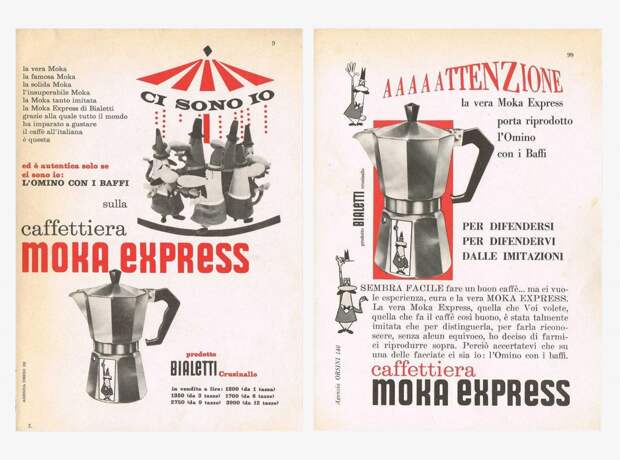
Nothing says good morning like the sound of bubbles rising as you lift your espresso maker from the stove. It wasn’t always so easy and affordable to make coffee at home, though.
Nothing says good morning like the sound of bubbles rising as you lift your espresso maker from the stove.
It wasn’t always so easy and affordable to make coffee at home, though. It was the invention of the humble Italian Moka Express—the first stovetop espresso machine created by aluminum industrialist Alfonso Bialetti in 1933—that made your morning caffeine routine possible. Before that, espresso in Italy was a substance mainly consumed by men in public coffee houses, where they’d spend long afternoons smoking cigarettes, playing cards, and sipping their drinks. When the Moka Express came on the scene, it wasn’t just an exciting new gadget; it was the dawn of a whole new era for women, granting them access to coffee for the very first time. Over the next few decades, the Moka Express’ marketing campaign would shake things up even more, challenging conventional gender roles in homes around the country. Drinking coffee was never so radical.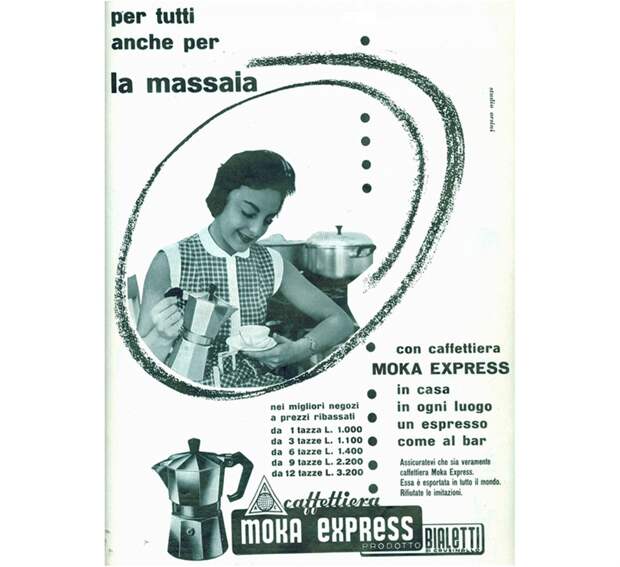
Today, nine out of ten Italian households own the practical Moka Express, and from the 1950s to the present day, Bialetti has sold over 200 million of them. The celebrated appliance—with its recognizable eight sides and mustachioed mascot—has been exhibited at the Museum of Modern Art, the Smithsonian Cooper-Hewitt National Design Museum, and the London Design Museum.
But the person behind the design wasn’t a designer by trade at all; when giving his invention a look and shape, Bialetti simply copied the functional designs that were most fashionable in the mid ’30s, when a lack of ornamentation and geometric symmetry reigned supreme.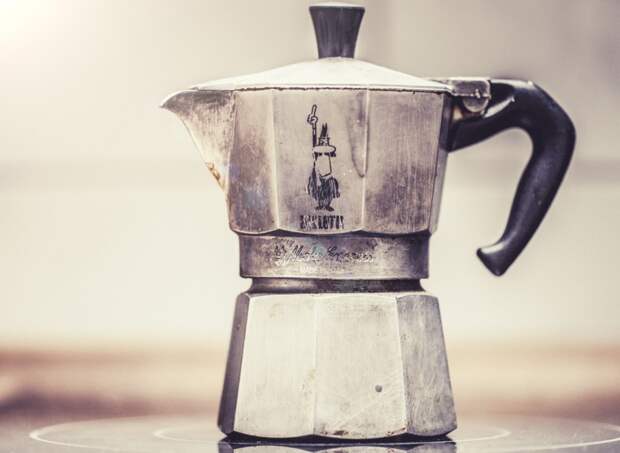
According to company legend, the idea came to Bialetti one evening while watching local housewives wash laundry in his hometown of Crusinallo. The women would fill a tub with soapy water, bring it to a boil over an open fire, and let the vaporized water rise up through a connected tube and wash over the dirtied linen. In a moment of inspiration, Bialetti dashed to his nearby metal and machine store and applied the housewives’ method to coffee making. It seems wholly appropriate that the design that introduced women to modern coffee culture was inspired by a process itself perfected by women, one that streamlined time-consuming domestic labor.
Bialetti finalized his…
The post The Invention of the In-home Coffee Maker Emancipated Women in the ’30s—Here’s How appeared first on FeedBox.