


Author: Dan Nosowitz / Source: Atlas Obscura
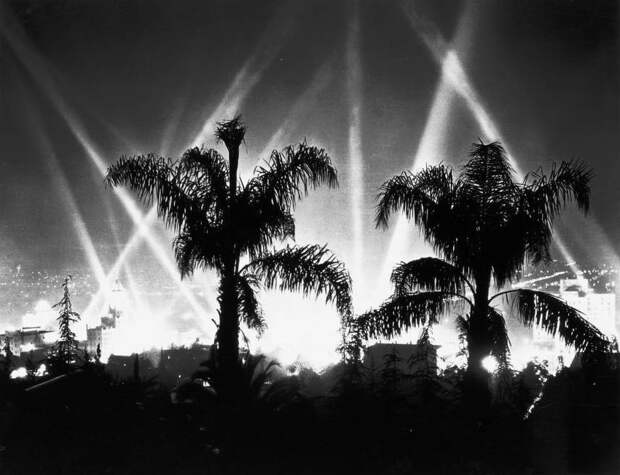
Let’s go back in time, to Los Angeles in 1875. Here’s what you see: basically nothing. The town—and “town” is even sort of grand for what it was—has about 8,000 people in it. But here’s something weirder: there are no palm trees.
As a matter of fact, there aren’t really any trees at all. This area is just sort of a scrubland desert.Over the next 50 years, palm trees would become a major transformative force in the development of Los Angeles. This is despite the fact that they don’t really do anything. The trees of urban Los Angeles do not provide shade or fruit or wood. They are lousy at preventing erosion. What they do, and what they did, is stranger: they became symbols.
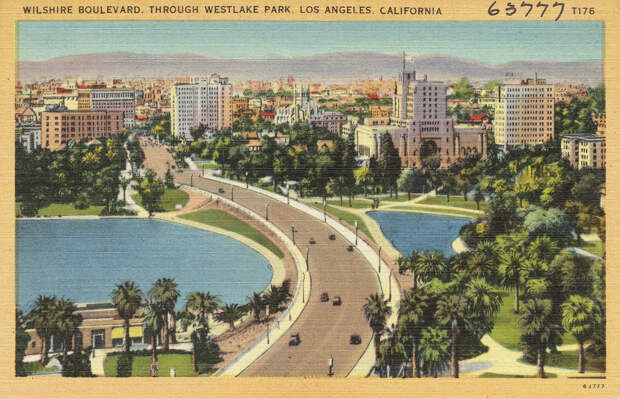
There is a single species of palm native to the entire state of California, the California fan palm, which is a big one with what looks like a fuzzy beard of brown leaves underneath its green fronds. It’s naturally found around desert oases in the Colorado Desert. (The Colorado Desert is not in Colorado, but is named for the river. Joshua Tree National Park is there.) The native people of that area, the Cahuilla, used it pretty liberally; palm fronds are incredibly strong and heavy, which makes them good for building. But compared with the East Coast palms—there are 12 species native to Florida—the West Coast was, until very recently, basically barren of these trees. Plants.
Tall grass things. Wait, what are palms, exactly?One first weird thing in a very long list of weird things about palms is that they are not really trees. The word “tree” is not a horticultural term—it’s sort of like “vegetable,” in that you can kind of call anything a vegetable—but palms are not at all like the other plants commonly referred to as trees. They don’t have wood, for one thing; the interior of a palm is made up of basically thousands of fibrous straws, which gives them the tensile strength to bend with hard tropical windstorms without snapping. They are monocots, which is a category of plant in which the seed contains only one embryonic leaf; as monocots, they have more in common with grasses like corn and bamboo than they do with an oak or pine tree.
Southern California might not have been rich with trees, but it was rich with money and rich with sunshine. Once the railroads came to Los Angeles, in the 1880s, speculators realized this huge empty sunny place would be a great opportunity to sell land. But how to get people to move way out to the desert? One way was incredibly cheap train tickets; the railroads sold tickets from the Midwest for as little as one dollar. But, as with California ever since, the place had to be marketed.

There are only two palm species native to Europe; one is a little shrub, and the other is restricted to a few Mediterranean islands. Because they were not common, palms have for centuries had a strange pull for people who didn’t grow up around them. “In the Western imagination, palms for a very very long time were associated with that part of the world that, depending on your point of view and your time in history could be called the Orient, or the Far East, or the Middle East, or the Levant, or the Holy Land, or the Ottoman world, or the Turkish world,” says Jared Farmer, the author of the definitive book on California foliage, Trees in Paradise.
Palms grow freely in the Middle East, and this part of the world always had major religious associations for Westerners, most of whom, for a long time, followed Christianity, Judaism, or Islam—all of which have their holiest sites there. Palms themselves are used in those religions: Jews use them during Sukkot for waving rituals, Christians during Palm Sunday often folded into crosses. The Prophet Mohammed talks about date palms a lot, even if the plant doesn’t have as prominent…
The post Why Are There Palm Trees in Los Angeles? appeared first on FeedBox.