


Author: Sharon Oosthoek / Source: Science News for Students
Somewhere on a windswept cliff on the edge of the Hawaiian island of Kauai grows a plant that looks like a cabbage on a stick.
It’s the last wild plant of its kind, and its exact location is a closely guarded secret.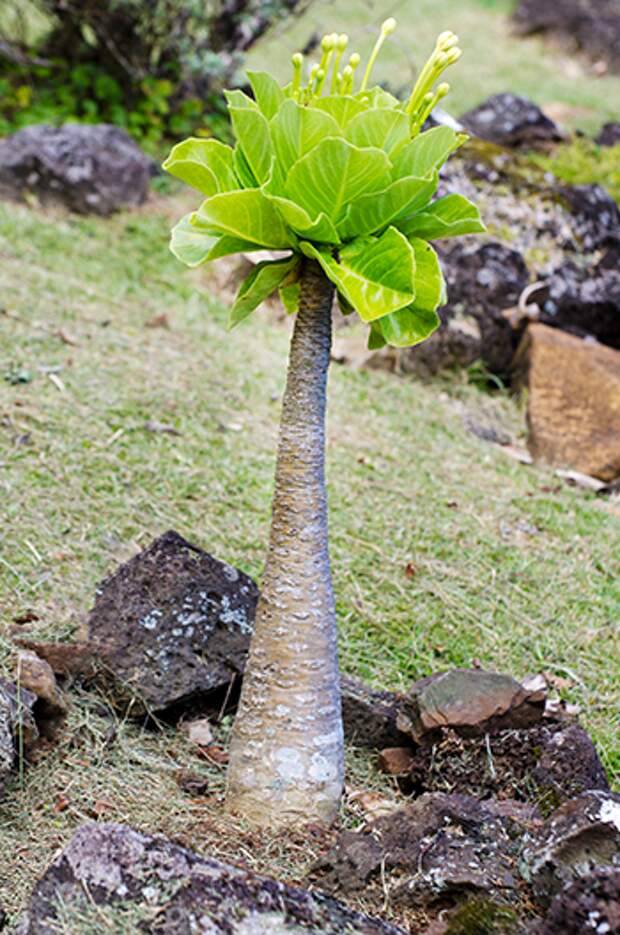
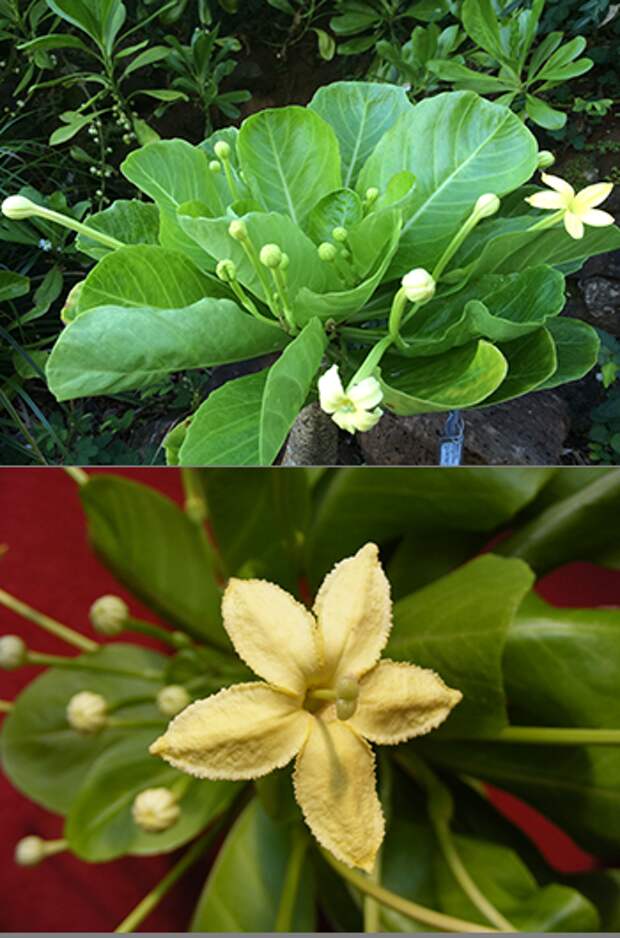
Hawaiians call it alula (AH-lou-lah). Even on this island chain, known for its exotic greenery, the alula stands out. Its rosette of wide, leathery leaves sits atop a short, bulbous stem. Creamy yellow flowers give off a honeysuckle scent.
Alula used to be an important lei plant. A lei is a traditional garland of flowers worn around the neck. The alula’s flowers “could be either strung or woven into leis, which were made as gifts of love or for special occasions,” says Kawika Winter. Winter is an ecologist and a Hawaiian who works at the He’eia National Estuarine Research Reserve on Oahu.
As Winter well knows, the days when Hawaiians could use alula flowers in their leis are long gone. Alula were once a common sight in Kauai and on the neighboring island of Nihau. That was before people brought plant-munching goats, pigs and rats to Hawaii. People also brought plants from other places. These plants tended to crowd out native Hawaiian ones, including alula.
Forty years ago, the alula hadn’t yet dwindled to one last, lonely plant. There was still a small population clinging to a cliff face.
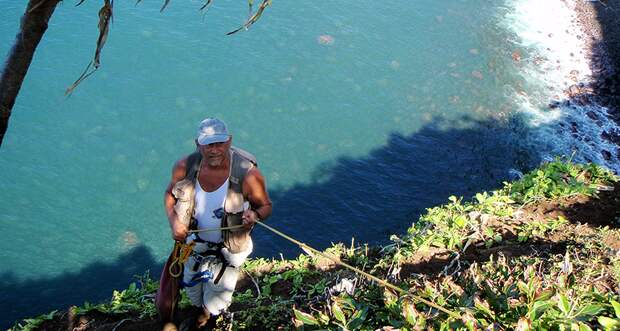
Steve Perlman rappelled down a cliff to collect their seeds.Perlman arrived just in time. He is a field botanist with the Plant Extinction Prevention Program at the University of Hawaii at Manoa. Perlman is based at the National Tropical Botanical Gardens (NTBG) in Kalaheo, so he gave his seeds to horticulturists working there.
Horticulturists are experts in cultivating plants. The ones at NTBG knew how rare alula already were when Perlman handed over his seeds 40 years ago. They were eager to grow lots of them and save the plant from extinction.
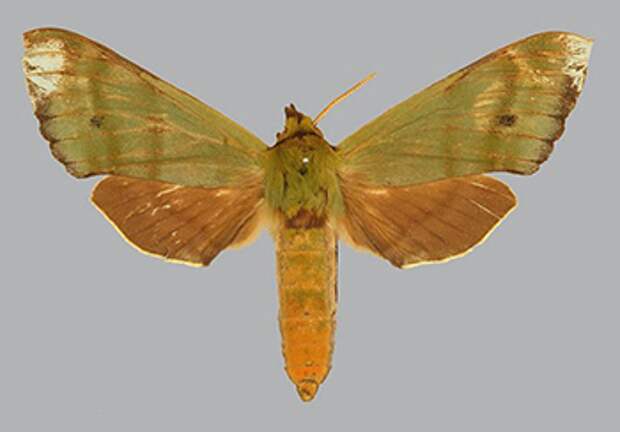
But there was a problem. The alula’s natural pollinator is the fabulous green sphinx moth (yes, that’s its real name). And there weren’t enough of the moths to do the job. That’s because so much land has been cleared for houses and food crops, removing the plants the moth needs for food. Today there are very, very few fabulous green sphinx moths left.
NTBG’s horticulturists had a solution to the missing moth problem: pollinate alula by hand. They dipped small paintbrushes into the pollen of some greenhouse alula flowers and dabbed it onto the stigmas (the female reproductive parts) of other alula flowers. It worked. They grew so many that alula plants now are sold around the world as a houseplant called Hawaiian palm. Alula have also been re-introduced into the wild places where they once grew. But these aren’t technically considered wild plants. That’s because humans must constantly tend to them.
Today, the plant is listed as endangered. And it’s against the law for anyone to damage or kill it. This listing, along with Perlman’s efforts, has been a life preserver for alula.
“We won’t lose this species now,” says Perlman. “It’s a success story.”
At least, he’s pretty sure it’s a success story. But sometimes he wonders. Winter is not so sure either. As they both point out, alula plants would die off if humans stopped hand-pollinating them. True success will come only when they can be planted in the wild and survive on their own, says Winter.
“Researchers and conservationists are trying,” he says. “Hopefully our grandchildren will see these clinging to the cliffs once again.”
For now, constant hand-pollination is better than the alternative — extinction. More than 130 plant species have gone extinct in Hawaii since people began keeping records a couple hundred years ago. Perlman has personally witnessed 20 species go extinct in the state since he started hunting for rare plants 45 years ago. It is, he says, a lot like losing 20 friends.
The bigger picture
Hawaii is an extreme example of a place where native plants are in trouble. But it’s not alone. Plants are at risk around the world. In fact, one in five of the world’s plants is at risk of extinction. This is according to a 2016 report from the Royal Botanic Gardens (RBG), Kew. It’s in London, England.
Michael Way is an ecologist who works for the RBG. Like Perlman, he is a rare-plant hunter. He travels to hard-to-reach places to collect rare plants, or their seeds, hoping to save them from extinction.
In August 2016, Way…
The post Rare-plant hunters race against time to save at-risk species appeared first on FeedBox.