


Author: Stephen Johnson / Source: Big Think
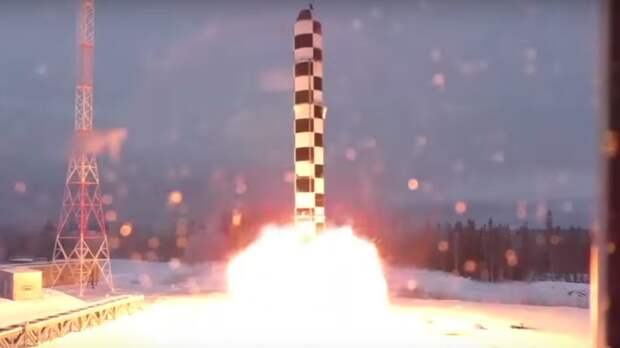
- The 1987 Intermediate-Range Nuclear Forces Treaty (INF) was an agreement between the Soviet Union and the U.S. to ban mid-ranged, nuclear-tipped missiles.
- Both Russia and the U.S. have accused each other of violating the pact in recent years.
- As it stands, Russia has 60 days to return to terms agreed upon in the deal or the U. S. will withdraw from the pact.
Russian officials said Wednesday that the United States’ decision to withdraw from a long-standing arms agreement would be met with “retaliation” from Moscow in the form of developing new, previously banned nuclear weapons.
On Tuesday, Secretary of State Mike Pompeo declared that Russia is “in material breach” of the 1987 Intermediate-Range Nuclear Forces Treaty (INF) and the U.S. plans to withdraw from the pact in 60 days unless Russia falls back into compliance. The INF was a landmark agreement between the U.S. and former Soviet Union that banned mid-range, nuclear-tipped missiles, and resulted in the destruction of more than 2,500 missiles. Both nations have accused each other of violating the treaty multiple times since signing the pact.
In October, U.S. officials announced plans to withdraw from the treaty, alleging that Russia had been violating the treaty for years, particularly with its new SSC-8 ground-fired cruise missile. President Donald Trump said as much at a rally in October, and the comments ostensibly…
The post Russia threatens ‘retaliation’ after U.S. declares plan to withdraw from arms treaty appeared first on FeedBox.