


Author: Maria Popova / Source: Brain Pickings
It may be an elemental property of human nature to fantasize about utopias — a fantasy all the more alluring the more dystopian one’s actual society is. But the inescapable fallacy of the fantasy is that while a utopia promises universal flourishing for everyone, not everyone has the same criteria for flourishing.
Homogeneity, as Zadie Smith observed in her superb essay on optimism and despair, is no guarantor of a just and equitable society. We all dream different utopias — something Margaret Mead and James Baldwin tussled with in their fantastic forgotten conversation about the problematic metaphor of the melting pot. An ideal society is not one that seeks to level the differences into a flat universality but one that welcomes them into a glorious topography of diverse human flourishing.That is what Portuguese writer Henriqueta Cristina and Brazilian artist Yara Kono explore in Three Balls of Wool (Can Change The World) (public library) — an unusual and poignant picture-book about the meaning of freedom and human dignity, published in partnership with Amnesty International.
The story, reminiscent of Umberto Eco’s lovely vintage semiotic children’s books on humanitarian subjects, is told through the perspective of an eight-year-old girl and her refugee family, exiled from their home country under threats of imprisonment and a sense of political gloom, which the young girl can’t quite understand, though she intuits their gravity through the deep lines furrowing her parents’ foreheads.
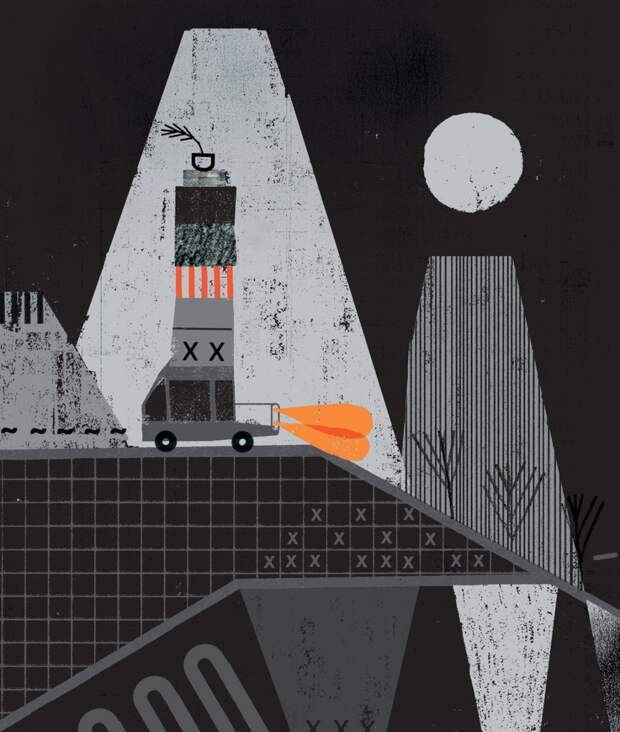
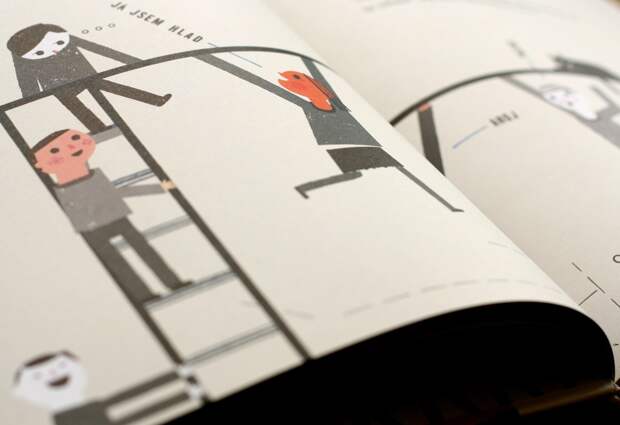
The family arrives in a new country that at first shines with the promise of a better life, clean and orderly.
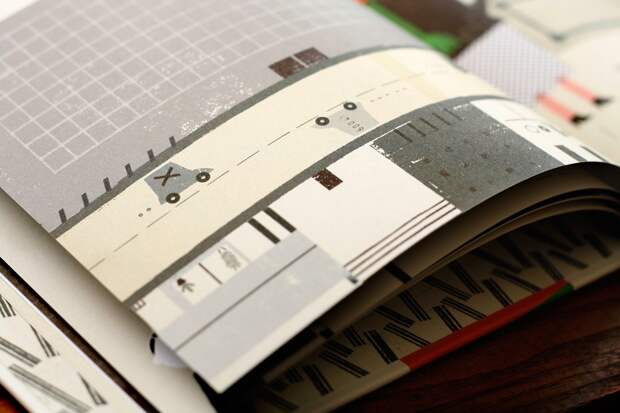
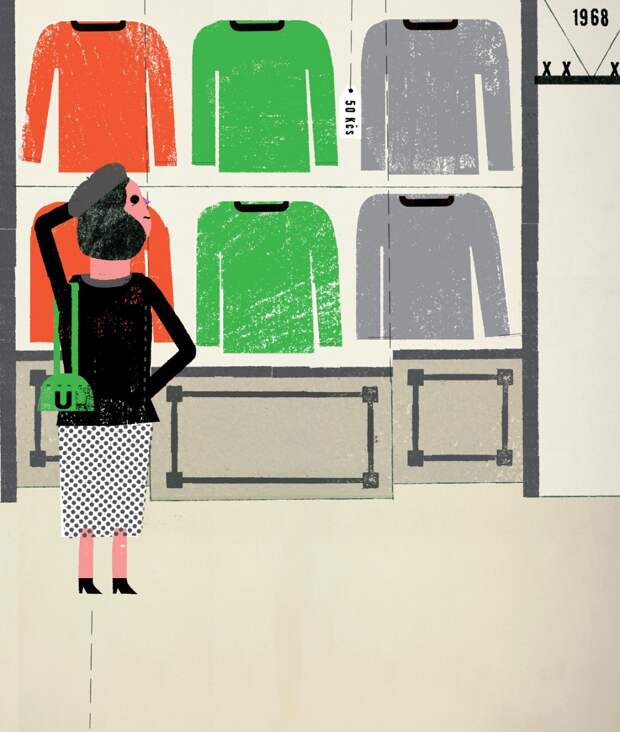
“Here there are no poor people and all the children go to school,” the girl’s mother tells her. But soon the seeming utopia unravels into a tyranny of uniformity. At school, all the children wear sweaters in one of the three permitted colors — solid gray, solid green, or solid orange — and all the buildings look like “a bunch of gray shoeboxes staked one on top of the other.”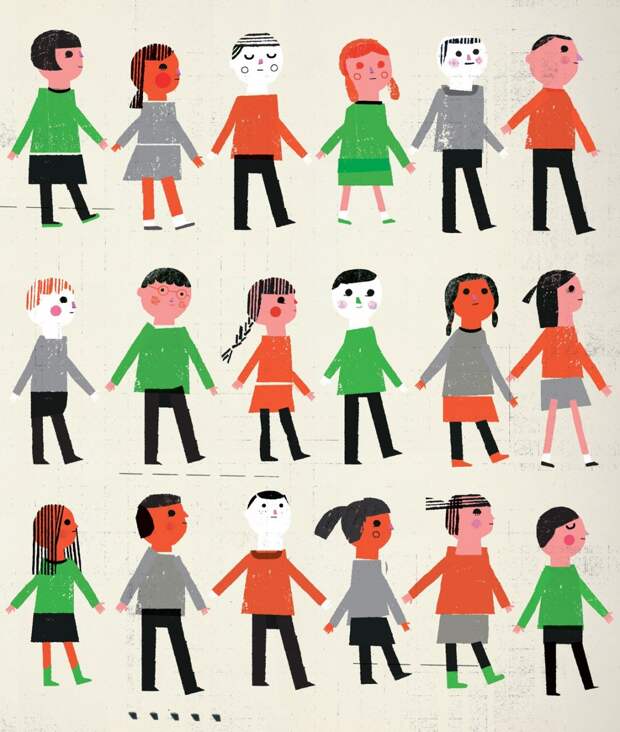
The post Three Balls of Wool: An Illustrated Celebration of Nonconformity and the Courage to Remake Society’s Givens appeared first on FeedBox.