


Author: Matthew Cappucci / Source: Science News for Students
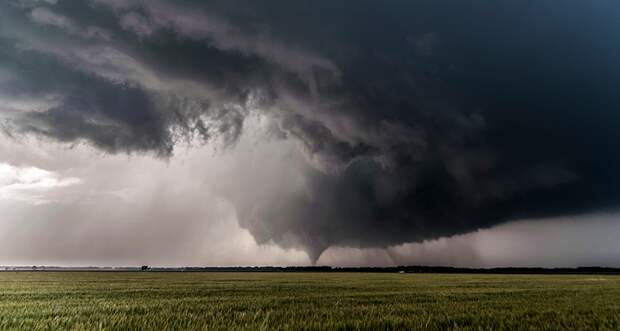
Tornadoes are one of the most feared weather events on Earth. These quick-forming and normally short-lived cyclones tend to emerge from strongly rotating thunderstorms known as supercells. Driven by a long-lasting tower of rising air, these storms can unleash some of the fastest surface winds on Earth. Rising as much as 16.1 kilometers (10 miles) high, supercells can encompass a volume of air up to 25 times the size of Mount Everest.
Some have been known to pummel the ground with hailstones the size of grapefruits.Simply stated, these things are beasts.
Despite their intensity, supercells are relatively small compared to most thunderstorms. Supercells typically are no more than 19.3 kilometers (12 miles) across. That’s why one neighborhood might be ravaged by wind and hail, while the next might escape untouched.
The secret to a supercell’s power is its isolation. These loners don’t share their environment with neighboring storms. That allows them to gobble up all the surrounding air as “fuel.” While most thunderstorms form in a line and feature multiple updrafts — or pockets of rising air — supercells are different. They only have one updraft. But that one is extremely powerful. That’s why supercells are small but feisty.
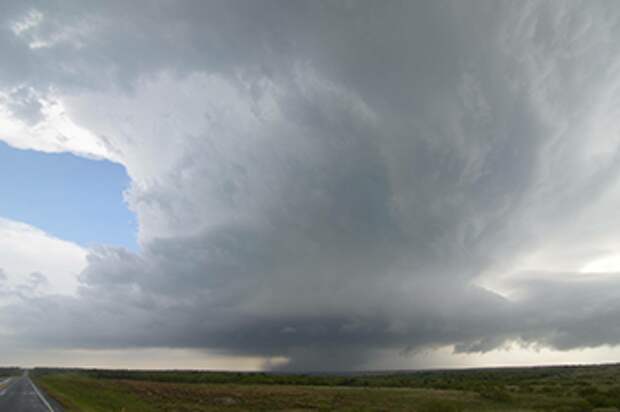
What truly sets supercells apart is their rotation. The entire storm spins like a top due to wind shear. That’s a change in the speed or…
The post Supercell: It’s the king of thunderstorms appeared first on FeedBox.