


Author: Harry Guinness / Source: How-To Geek
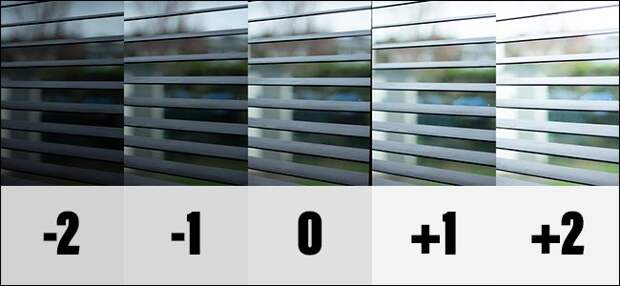
Exposure bracketing is a technique where, instead of taking a single photo, you take three (or more) that are all exposed slightly differently; normally one is correctly exposed, one slightly underexposed, and one slightly overexposed. It’s in quite a few situations, so let’s look at how it works.
The Basics of Exposure Bracketing
Getting exposure right can be a complex subject. There are lots of things you have to balance: how your camera is metering the scene, your camera’s dynamic range, and of course, what settings you’re using. You might also be trying to deliberately overexpose your photos a little to get more data in the RAW file without going too far and blowing your highlights.
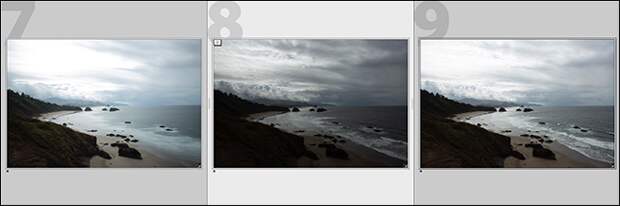
With all these moving pieces exposure bracketing is a solid technique for making sure that you get a good exposure while you’re on location—there are some things you can’t fix in post. By also taking one photo that is a stop or two underexposed and another that is a stop or two overexposed, even if you misjudge your exposure, you still have the bracketed shots. Landscape photographers sometimes refer to bracketed shots as “safety shots” for this reason.
RELATED: Exposure Values Give You a Better Understanding of How Your Camera Works
If you shoot bracketed shots, there are also a few more advantages: you can always create an HDR image, you can blend different parts of the image yourself if you need to, and, if something is moving through the scene, you can replace it with original image data instead of relying on Photoshop’s tools.
…
The post What is Exposure Bracketing? appeared first on FeedBox.